
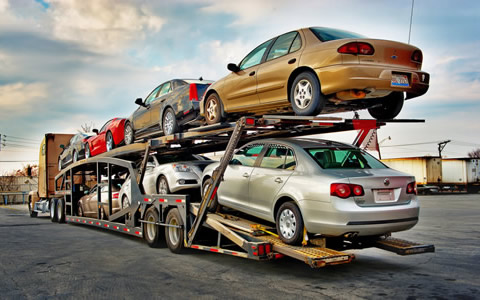
When a vehicle is delivered to a remote location or collected from one, one may often wonder if a meeting point can be arranged nearby. Yes, this is the case; in many instances of online freight booking, it is actually the safest, fastest and most useful solution for the customer and the transport carrier.
Several people think auto transport is the same as parcel delivery in which a truck can come to any address. In reality, vehicle transportation largely involves large commercial carriers that have to navigate road restrictions, tightness of residential streets, weather conditions, and route limitations. It can often be logistically challenging to provide a door-to-door service to remote locations.
By learning how closer meeting points can work, customers can avoid delays, reduce expenses, and smoothen the transport process.
Why Outlying Areas Present Delivery Difficulties
Vehicle transport carriers are a lot bigger than delivery trucks. Many utilize double or triple trailers that can reach 70 feet. Although these trucks work wonders on the highway and main roads, they do not gain access to remote areas easily.
Frequently Encountered Challenges Are.
- Confined streets.
- Short tree overhangs.
- Tweaks respects.
- Load-limited bridges.
- Decomposed granite road.
- Sharp slopes.
- Insufficient turnaround area.
For instance, a delivery truck going to a mountain cabin or rural farmland may not be able to navigate the area. The entrance of large commercial tracks into limited streets is prohibited in some neighborhoods.
Weather could become a major factor too. Snow, mud, flooding, or poor road maintenance may prevent carriers from reaching rural areas temporarily.
In these scenarios, transport firms often propose a location nearby where the truck can load or unload the vehicle without sustaining damage or being delayed.
We regularly coordinate these alternative delivery arrangements to help customers receive reliable services.
What is considered a nearby meeting point?
A nearby meeting point is simply an area that is safe and accessible that is close to the pickup address or delivery address. It is essentially any location where the carrier and customers can meet in order to complete the pickup or delivery process.
Common meeting point locations reunite.
- Ample parking space.
- Shopping malls.
- Lorry halts.
- Large business avenues.
- Storing warehouses.
- Gas stations offering trailer parking.
- Industrial areas available for public use.
These areas have sufficient space for large transport trailers to affect vehicles loading and unloading.
The meeting point is usually selected based on.
- Trailer0526
- Road conditions.
- Close to the customer.
- Regulations for local roads.
For example, a person who lives far from a rural mountain area might meet the carrier at a nearby highway truck stop instead of asking the driver to drive up their steep private road.
Such setup normally helps in the conservation of time and lowers the risk of damage to the vehicle or trailer.
Ways In Which Meeting Points Reduce Shipping Cost
Numerous clients are shocked to find that opting for a nearby meeting point can lower transport pricing.
- Take long trips away from main roads.
- Use more fuel.
- Take your time through difficult roads.
- Postpone remaining scheduled deliveries.
These would increase costs of operation and cause high shipping prices.
- Lower transit costs.
- Accelerate the scheduling process.
- Enhance carrier accessibility.
- Do not pay rural service surcharge.
As an illustration, a customer located 40 miles away from an urban center can save costs by meeting the carrier at a point closer to a main interstate route rather than requesting a delivery in a rural area.
Flexible options for delivery make it easier for dispatchers to assign carriers already traveling along the main transport routes.
Often assist customers in identifying feasible meeting points between convenience, accessibility, and pricing.

Get ready for a meeting which will take place remotely
A nearby meeting point works better through prior communication from both the customer and carrier. It helps to avoid muddling up issues and ensures handed off smoothly.
Double-check the location
Ever confirm the location of the meeting beforehand. Ensure the site accommodates large commercial vehicles and has adequate space for safe loading and unloading activities.
Show up promptly
Freight forwarders work on a tight schedule for long distances. Late arrival can delay many deliveries.
Assess the Vehicle Carefully
Before you sign anything, check the condition of the vehicle for damage. Verify the condition against the original inspection report.
Bring Required Documents
Have your identification, transport paperwork, and payment information ready, if need be.
Ensure Phone Availability
Drivers might need to chat coordination about timing of arrival or traffic conditions to the meeting place.
Clear communication is key to arriving at a successful outcome of remote vehicle delivery.
The benefits of flexible delivery options for customers
Some customers worry that the proximity of a meeting point means lower-quality service, but in actual fact, flexibility greatly enhances the transport experience.
- Meeting spots assist shippers.
- Keep roads safer.
- Stay Clear of Hazardous Roads.
- Minimise delays.
- Safeguard vehicles from tough loading zones.
- Enhance vehicle delivery efficiency.
This flexibility is very essential for.
- Country towns.
- Hilly Area
- Vacation homes remote.
- Ocean and coastal regions.
- Construction areas.
- Congested city areas.
These arrangements can be really valuable as evident from the example. A buyer of an expensive luxury SUV shipping a high-end vehicle to a remote ski property may find it preferable to meet the carrier in a nearby town rather than risk narrow trailer access on icy mountain roads.
By the same token, classic car owners often pick meeting locations on sealed surfaces, as gravel could damage their low-clearance cars when unloading.
Transport companies who know their job understand that every location is different. Professional carriers avoid forcing unsafe deliveries and prefer solutions that safeguard the vehicle and the equipment used for transport.
Can remote delivery require a nearby meeting point? Indeed, and in numerous cases, it is the most intelligent choice available. Big trucks can’t reach isolated roads, narrow residential streets or difficult terrains safely. The use of nearby meeting points is a practical solution which enhances safety, cuts down delays and may save freight costs.
Those who shrug their shoulders and work with pickup and delivery tend to have smoother transport overall. Why not invest in the greatest vehicle shipping service?
With this service, vehicle owners can facilitate remote deliveries while being assured that their vehicles will be handled and delivered professionally, securely, and respectfully.
