
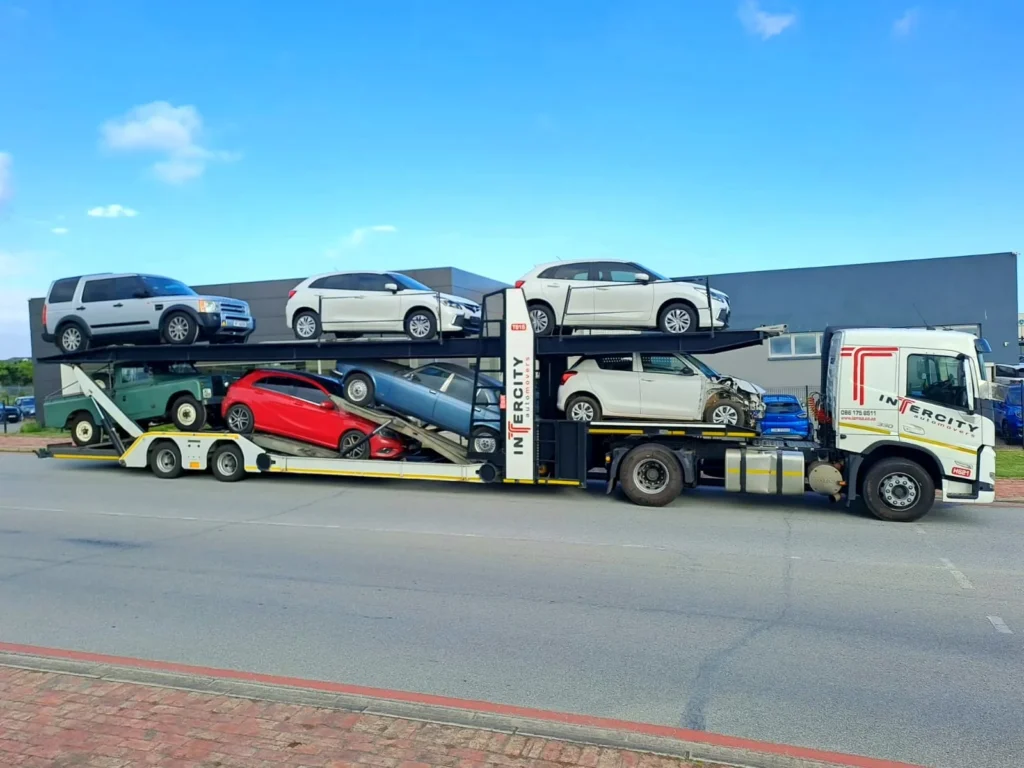
From a customer’s viewpoint, vehicle shipping is a relatively straightforward process. However, one must not forget about the planned routes for delivery. The chosen routes must not only allow trucks to travel freely, but they also need to adhere to road rules and safety regulations. Moreover, there needs to be a particular focus on truck accessibility. Road prohibitions exert great influence over the organization of car shipping. These restrictions have ramifications for delivery appointments, pickup sites, and final transportation tariffs, among other things.
When customers have insight on how road restrictions affect truck transport, they’re better prepared for delays and disruptions to shipping. Whether it’s a family car, luxury vehicle, motorcycle or classic one, road restrictions are a huge factor in how carriers work efficiently and safely.
Transport businesses must always be ready to adapt to changes as they travel communities in the vehicles they carry. The challenges enhancing are weight limits, bridge clearances, truck bans, and seasonal road closures among many others.
Reason for motor vehicle (transport truck) road restrictions
Road restrictions have mainly achieved these aims of safety, infrastructure protection, and traffic management. Large freight transporters are significantly larger and heavier than normal passenger vehicles and thus, they cannot access all roads safely.
Road restrictions exist for a number of common reasons.
- Securing fragile bridges.
- Stopping wear of road surfaces.
- Less traffic around your home
- Boosting pedestrian safety.
- Overseeing Construction Sites
Restricting large commercial vehicles
For instance, the design of a residential neighborhood typically makes it unsuitable for large commercial trucks. The narrow streets and parked vehicles create difficult driving conditions. Mountain roads may limit the weight of certain vehicles to ensure older bridges remain safe and to prevent them from rolling backwards on steep grades.
Evaluate these restrictions regularly for a carrier’s route assignment to avoid unsafe or illegal deliveries.]

Road Restrictions That Affects Vehicle Carriers
Transport carrier restrictions differ greatly depending on the route, city and period of the year. By knowing the limits, it is easier to understand why there cannot be door to door service.
Capacity Constraints
Several roads and bridges restrict commercial vehicle weight limits on the highway. Metal transport vehicles that carry multiple automobiles can be quite heavy when loaded.
Height Limitations
Certain large carriers cannot pass safely due to low bridges, tunnels, tree branches and parking structures.
Length Limits
Tight corners, narrow streets, and compact residential roads may pose challenges for long transport trailers.
Weather-related Road Blockages
Mountain and country roads can shut for a time due to snow, flood, or slide.
Building Sites
Temporary lane closure or detour options may limit access for oversized trucks.
Regulations for Community and HOA
Some private neighborhoods and gated communities restrict entry altogether for commercial carriers or during certain hours.
A delivery truck bringing a vehicle to a downtown condo may face both height restrictions and commercial unloading restrictions in a single environment.
All these challenges are a common part of transport logistics and require flexibility from both carriers and customers.
The Impact of Restrictions on Pickup and Delivery Locations
Road restrictions will result in alternate pick-up or delivery arrangements. When direct access is not possible or not safe, carriers often suggest nearby meeting points.
Locations that may be alternatives include.
- Parking areas for shopping centers.
- Lorry halts.
- Allow road access.
- Storage units.
- Big fuel stations.
Parking spaces open to the public
Space is adequate in these areas for large transport trucks to move, away from restricted roads.
For instance, a customer lives on a narrow residential road with low tree branches and parked vehicles. In this case, the carrier may suggest that they accept the order at the supermarket parking lot instead of risking a dangerous access in the neighborhood.
This technique aids in averting.
- Car damage.
- Damage to property.
- Road blockages.
- Late delivery.
- Harmful risks.
We regularly help customers identify alternative locations that provide convenient access.
What Customers Must Do to Prepare for Access?
A prior understanding of road restrictions makes vehicle delivery better for customers. If a company sufficiently prepares for transportation, its driving routes can be optimized.
Notify the transport company regarding.
- Narrow streets
- Caged locks.
- Bridges of small height.
- Incline paths.
- Building work.
Images of the access road or delivery location can help the driver determine if the trailer has suitable access.
Keep delivery options open
Launching nearby meeting points, when appropriate, can offer faster, safer access than difficult neighborhood entry.
Check Roads in Your Area
The weather, construction activities, and temporary shutdowns can change quickly before delivery day.
Get In Touch With Your HOA
Inquire if there are exceptions or scheduled access windows if your community has truck restrictions.
In real life, these examples explain how useful preparation is. A customer sending a luxury SUV to a mountain resort community may avoid hours of delay simply by having it delivered to a nearby commercial parking lot instead of requesting entry down icy residential streets.
Importance of Experienced Transport Drivers
Verify road restrictions before travelling, GPS assistance is not enough. Transport drivers with experience consider the safety of the road conditions, width of the road, flow of traffic and safety of the vehicles on the route at all times.
Experts know how to do.
- Safety on detours
- Do not enter prohibited routes.
- Safeguard low-clearance vehicles.
- Handle restricted offloading zones.
- Change paths in bad weather.
- Set additional meeting locations.
For instance, an experienced driver hauling a trailer might be able to spot a safe and legal unload location well before hitting a no unload street.
This experience is especially of importance for transport.
- Premium cars.
- Luxury vehicles.
- Timeless cars.
- Large SUVs.
- Racing sports cars.
Transport companies that are serious about delivering their services safely will not try to get access so that they can drop off or pick up exactly at the door.
In some cases, customers will think a carrier should just ‘make it work,’ but experienced drivers are aware that forcing access to a site creates unnecessary risks for the carrier’s vehicle or property, as well as public safety.
When customers see the road restrictions for transport trucks, they can better appreciate that vehicle shipping requires planning and flexibility. Weight limits, narrow roads, bridge clearances, construction zones, neighborhood restrictions and seasonal closures impact how carriers function. Regulations on delivery generally affect the time, route, and area of delivery.
Owners of vehicles can be sure of accessing roads as well as their vehicles being transported in a safe, efficient and professional manner from pickup to drop-off.
